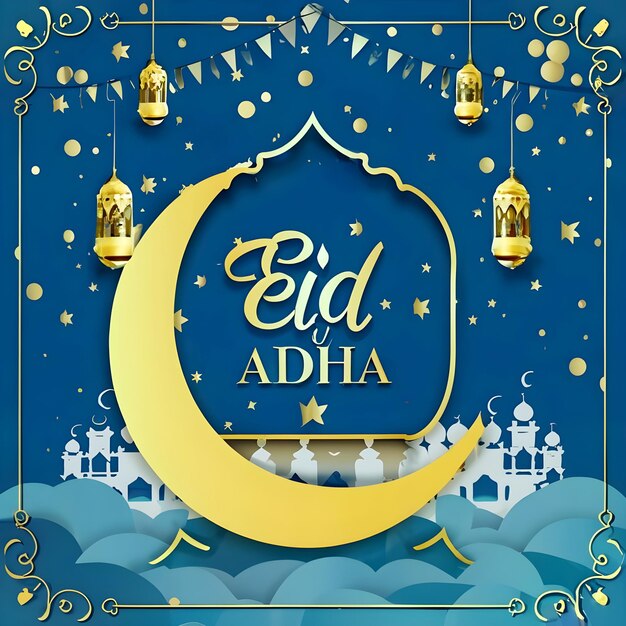
The Story Behind Eid al Adha
Eid al Adha and the Ritual of Qurbani
Eid al Adha includes the important ceremony of Qurbani, or animal sacrifice. In memory of Prophet Ibrahim's willingness to offer his son as a sacrifice to Allah, Muslims perform this rite. Wealthy families sacrifice animals like goats, lambs, cows, or camels after the Eid prayer. Islam advises Muslims to divide the meat into three equal halves. A piece is kept for the family, another is given to friends or family, and a third is given to those in need. Everyone will be able to benefit from this festival thanks to this custom. Additionally, Qurbani encourages compassion and giving in the community. Nowadays, a lot of Muslims give Qurbani to charitable organizations so that underprivileged households around the world can get meat.
How Muslims Celebrate Eid al Adha Around the World
Eid al Adha brings happiness and festivity to Muslim communities around the world, regardless of their cultural backgrounds. While customs differ, the core religious observances are consistent everywhere. Muslims commence the day with a special Eid prayer held in large crowds at mosques or open spaces. Following the prayer, families exchange greetings by saying “Eid Mubarak” and share embraces and smiles. Many individuals visit relatives, friends, and neighbors to reinforce their bonds. Tasty meals are a central aspect of the celebration, particularly those made with Qurbani meat. In nations such as Bangladesh, Pakistan, Turkey, and Indonesia, families prepare traditional dishes and host gatherings at their homes. Children are given gifts, sweets, or money, which enhances the joy of the occasion. This celebration creates a joyful atmosphere that connects families and communities while strengthening cultural traditions.
The Role of Charity During Eid al Adha
Eid al Adha is a time when we think about helping people who do not have much money. The Muslim faith teaches us to share what we have with those who are struggling. When we give Qurbani meat to families, it helps them celebrate with respect. There are organizations that deliver Qurbani meat to people who live far away or are in need. During this festival, Muslims also give money, clothes, and food to those who need support. This kind of giving brings people together and makes things more fair. Families teach their kids kindness by involving them in helping others. When we help people during this occasion, we follow the true meaning of the holiday. The festival reflects the spirit of charity and kindness, making the celebration more meaningful for everyone.
Eid al Adha and the Connection to Hajj
Eid al Adha is closely connected to Hajj, a trip that Muslims make to Makkah. Every year millions of Muslims go to Saudi Arabia to complete this part of Islam. The day is part of the Hajj pilgrimage. On this day pilgrims do an animal sacrifice as a symbol after doing rituals that honor Prophet Ibrahim’s story. While pilgrims celebrate in Makkah Muslims everywhere celebrate in their own communities. This celebration brings Muslims together no matter where they are. The festival reminds believers that Islam brings people together no matter their country, language or culture. Even if people can't go on Hajj they still get the blessings of this occasion through prayer, sacrifice and being thankful. This festival and Hajj are important for Muslims as they feel connected through it.
Spiritual Lessons Muslims Learn from Eid al Adha
Visit More
Contact us